Murray's Cave Aged Reserve Mezzanotte


- Pasteurized
- Animal Rennet
- Age: 6 Months
- Cow Milk
- Sheep Milk
- by Murray's Cheese Caves
- Italy
- ApproachableAdventurous
- SoftHard
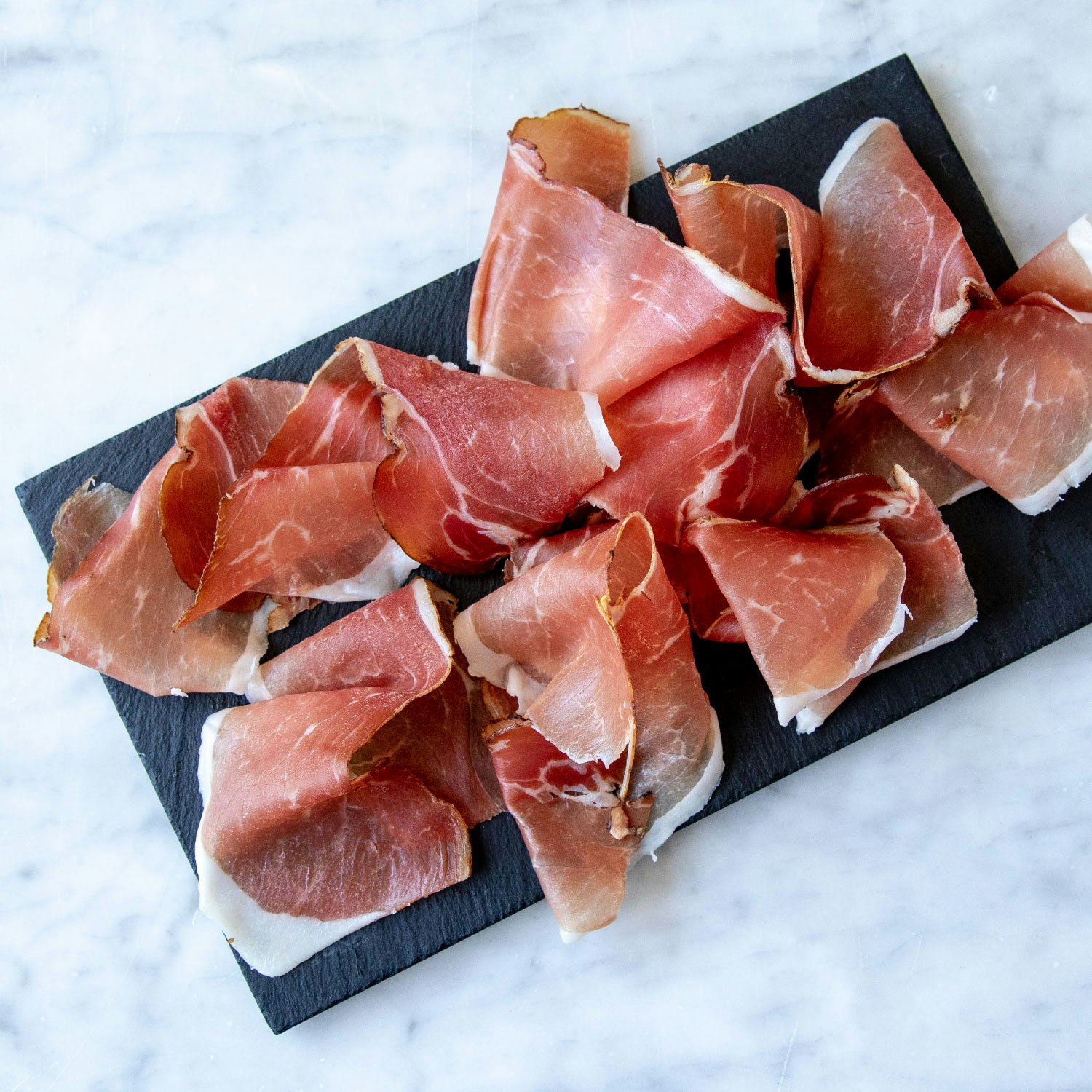
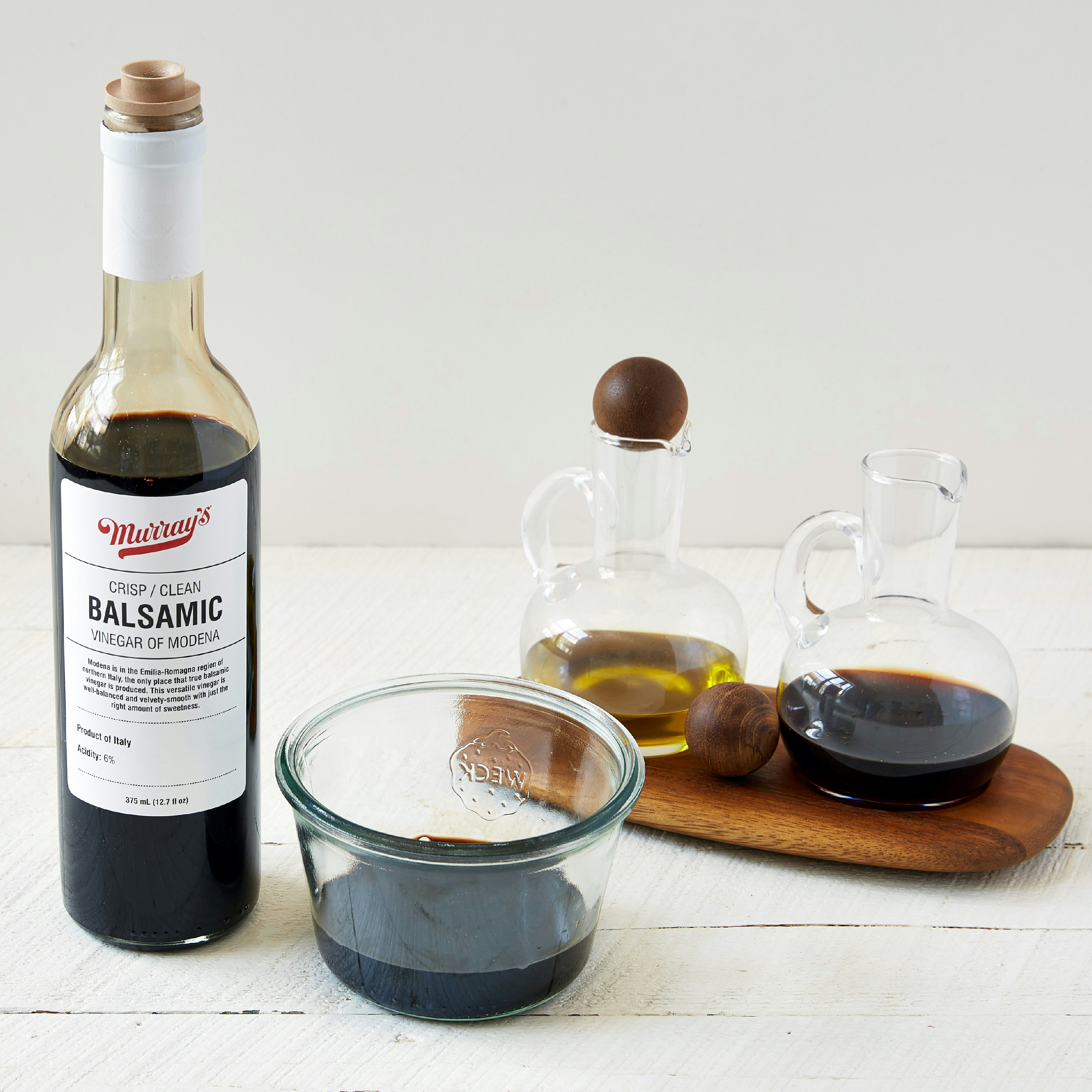
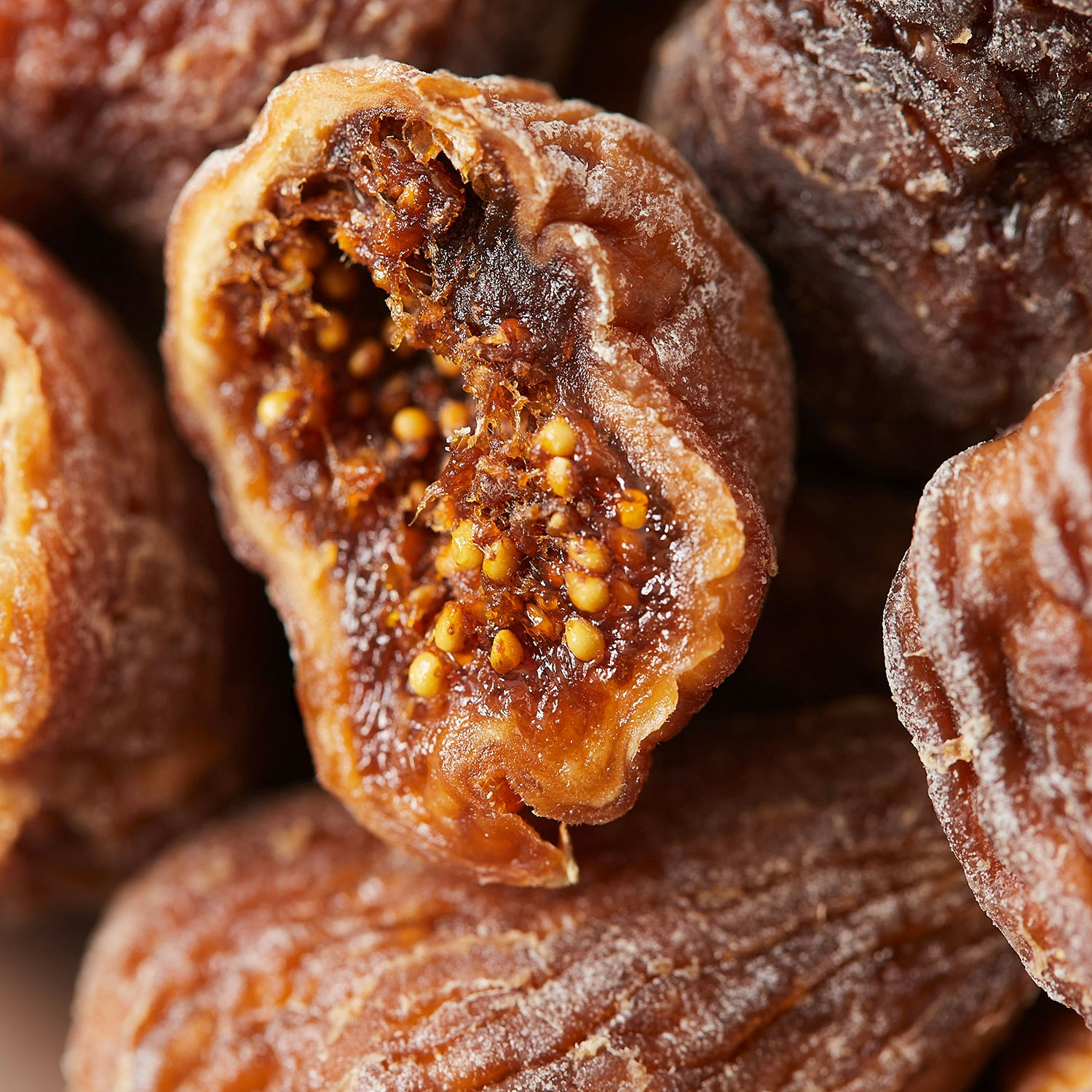
Our Cave Aged Mezzanotte is a midnight-hued, balsamic-bathed ode to Italian craft. It starts with unaged wheels of cow’s and sheep’s milk straight from Lazio, Italy. Once in our caves, they’re rubbed with Balsamic Vinegar of Modena and cocoa powder and aged for six months. The sweet, tart vinegar blends with the briny, piquant zip of the pecorino-like cheese. Grate it on a salad, melt it on pasta, or make it the centerpiece of a board alongside dried figs and speck.
“Mezzanotte brings together different traditions from cheesemaking history, but it’s also just such a crowd-pleaser! We’re always thrilled to have more sheep’s milk cheeses in our caves, and the contrast between the near-black rind and the milky interior is just irresistible.”
Allergens: Milk
- Mezzanotte, our first Cave Aged cheese from Italy, starts as unaged wheels of Giulietta from Buonatavola, who makes traditional Italian cheeses like Fulvi Pecorino Romano.
- While similar to pecorino (Italian sheep’s milk cheese), Giulietta differs in that it’s made with a blend of cow’s milk and sheep’s milk (specifically from Siciliana, Lacaune, and Sarda sheep).
- Once the wheels arrive in our caves, we rub them with a blend of Murray’s Balsamic Vinegar of Modena and Dutch-process cocoa powder and age them for six months in our Natural Rind Cave.
- Balsamic lends a sweet tang that plays well with the natural piquancy and lactic notes of this cheese.
- The cocoa powder helps maintain a thin rind as it ages.
- The addition of cocoa powder helps bolster that deep brown-black color. It’s also a nod to a tradition developed by Italian-American cheesemakers in Northern California during World War I.
- When certain cheeses became scarce during, Italian-Americans created Dry Jack, a cocoa-rubbed cheese that approximated the more traditional longer-aged Italian cheeses they were missing.
- Mezzanotte is a cross-continental cheese that brings together Italian cheesemaking tradition and Italian-American innovation.
- The texture is a bit smoother and less dry and granular than Pecorino Romano.
- The striking rind makes Mezzanotte stand out on a cheese board, but it can also be sliced or grated and incorporated into cooked dishes.
- At Murray’s Cheese Caves in Queens, New York, our experts age and mature cheeses to perfection, creating unique products that are exclusive to Murray’s.
- We built our caves to enhance the quality of our products, as well as to honor the craft of cheesemakers across the globe. The practice of aging cheese, known in French as affinage, was relatively rare in the United States when we built our first set of caves in 2004.
- The cheeses that mature in our caves are crafted in a variety of ways, which are reflected on their labels, described below.
- Cave Aged Original cheeses are produced from a Murray’s original recipe—we have a hand in every step of the cheesemaking process.
- Cave Aged Reserve cheeses are made in collaboration with some of our favorite cheesemakers. They send us unaged wheels, and we use unique aging techniques to produce something completely new.
- Cave Aged Limited cheeses are born out of our constant innovation and experimentation, only available for a limited time.
- Cheeses in the Cave Aged category are aged in our caves with methods that replicate the treatment they would’ve received from their original producer. This category is largely populated by bloomy rind cheeses that don’t fare well in transport.
- Murray's operates four caves, designed to ensure that each cheese matures in its ideal environment—the Bloomy Rind Cave, Natural Rind Cave, Washed Rind Cave, and Alpine Cave.
- The temperature, humidity, and microbial activity in each cave are controlled and monitored with the greatest precision.
When you receive your cheese, unpack the order and refrigerate the items. We recommend using the cheese paper we send most of our products in to store the cheese. The cheese paper helps cover the items and stop them from drying out, while also allowing the cheese to breathe. Since cheese is mold, it's a living thing! If you cut off air circulation to the cheese, you can actually cause it to suffocate and spoil at a faster rate.