Fallot Tarragon Mustard


$6.00 / 7.4oz Eachprice is $6.00 by 7.4oz Each
- by Fallot
- France
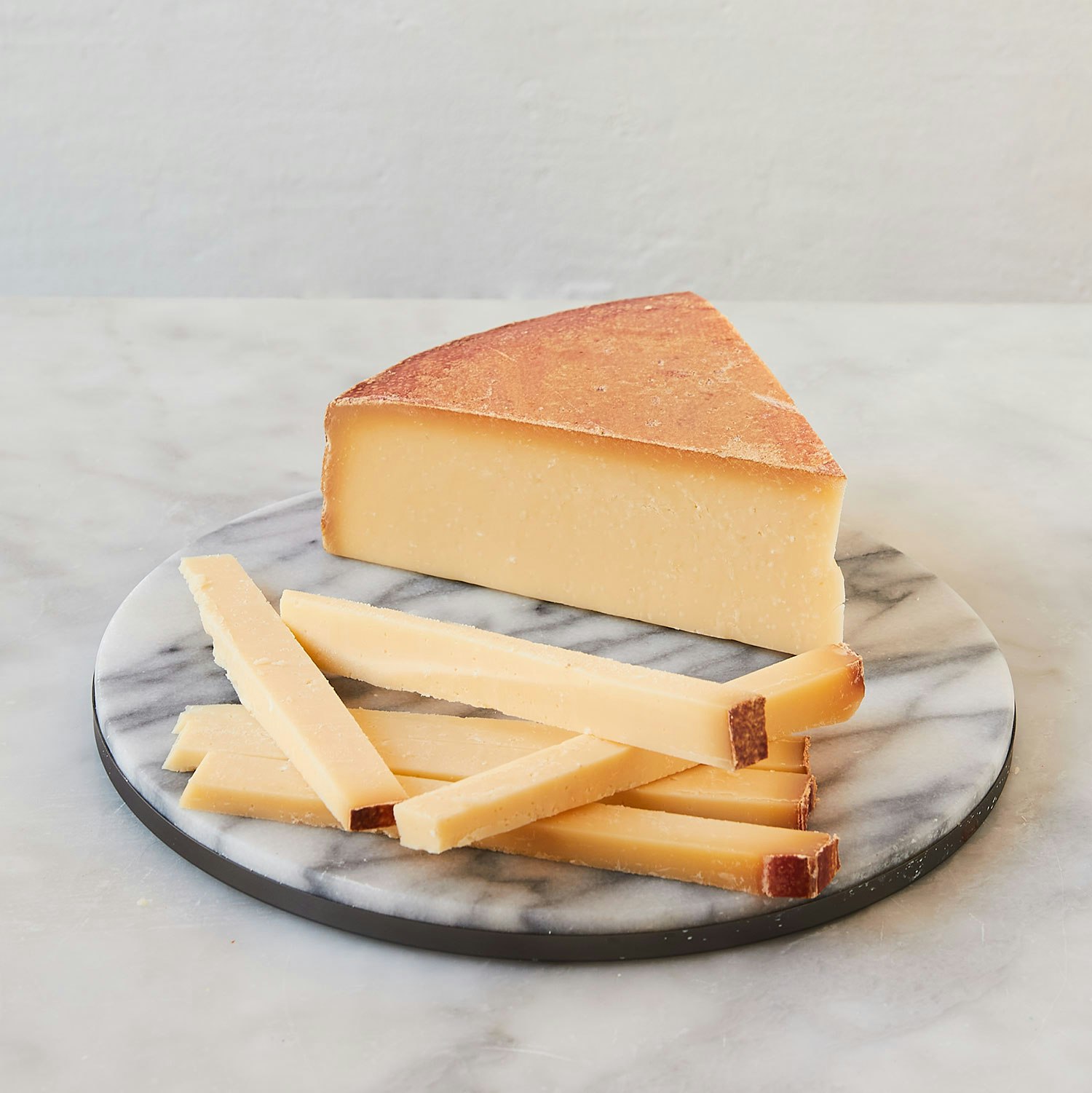
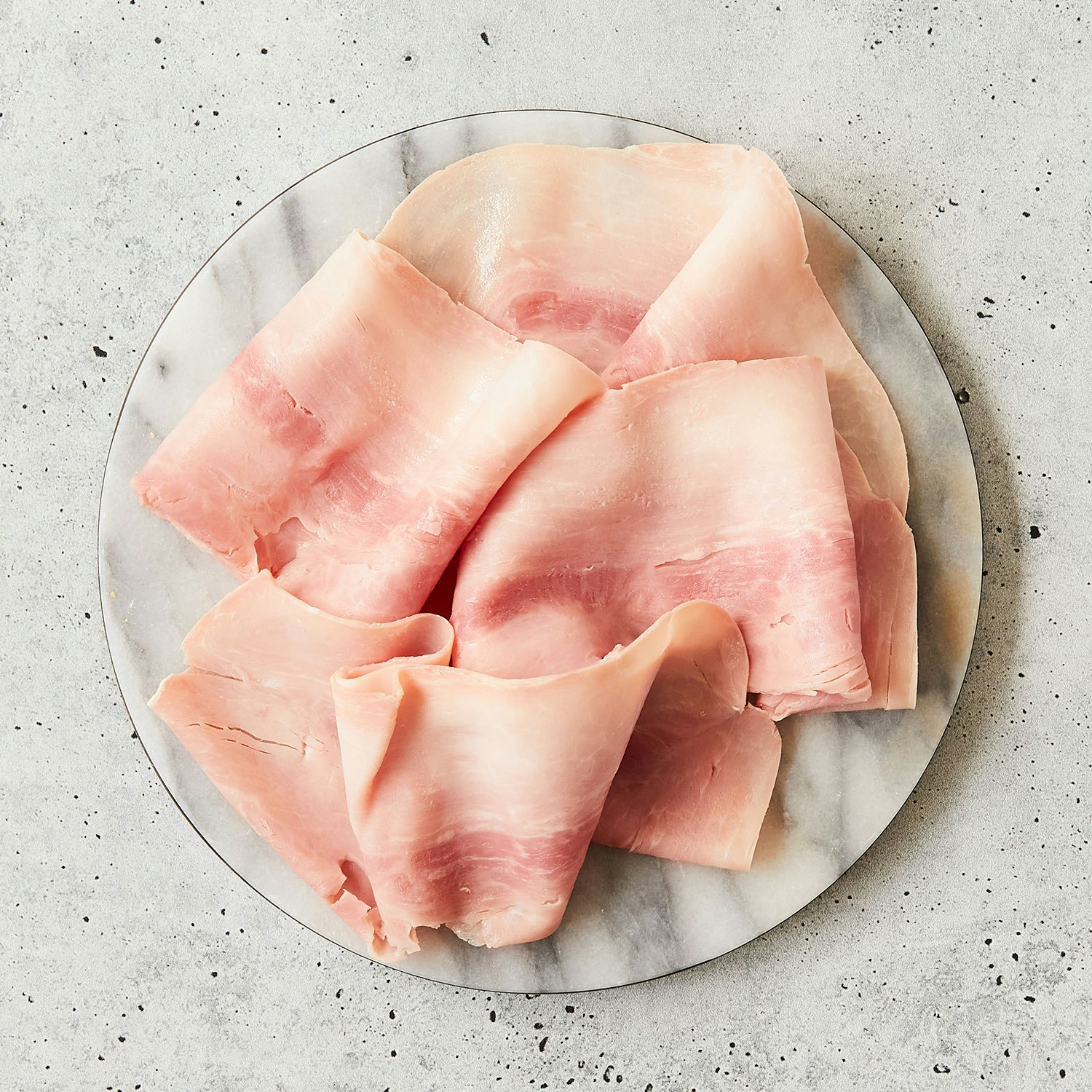
Produced by a family-run mustard mill, this is traditional French mustard with an herbaceous twist. Fallot’s Dijon Mustard has an aromatic profile and nuanced flavor that’s smooth and piquant. The addition of tarragon brings a warm, herby sweetness that blends beautifully with the classic mustard tang. It’s equally at home in a humble chicken salad, on your fanciest cheese board, or on a sandwich with Hornbacher and Prosciutto Cotto.
“Tarragon isn’t one of my go-to herbs, but this mustard makes me question why it isn’t. It balances the mustard bite beautifully. This condiment takes my typical sandwich with Jambon de Bayonne and cornichons to a whole new level.”
Water, Mustard Seeds, Spirit Vinegar, Salt, Spices, Aromatic Herbs, Leaves Of Tarragon (0.9 %), Potassium, Metabisulphite, Natural Flavor Of Tarragon, Citric Acid, Sugar, Artificial Color(Fdc Yellow N°5-Fdc Blue N°2).
- Dijon mustard is named for the French city of Dijon, which is the capital of the Côte-d'Or département and of the Burgundy region.
- The mustard was first created in 1856, when Jean Naigeon substituted verjus—the acidic juice of unripe grapes—for vinegar in a traditional mustard recipe.
- Fallot uses traditional methods to create their mustard, including grinding the seeds using a millstone to avoid damaging the paste.
- Mustard as a category includes a wide range of flavors, and dijon is known for its pungent profile, which makes it a popular condiment for cheeses, meats, dressings, and marinades. Fallot’s version is just a bit smoother in flavor than some other punchier dijons.
- Tarragon is an herb with a subtle, anise-like flavor used frequently in French cooking.
- Steeped in family history and French artisan tradition, Fallot Mustard Mill, founded in 1840, is the last independent and family-run mustard mill in Burgundy, France.
- They still use traditional stone-milling mustard-making techniques today.
- Their Burgundy Mustard has obtained a Protected Geographical Indication (PGI), a sign of quality in France and across Europe. It’s manufactured using mustard seeds grown in Burgundy and AOC Burgundy wine.
Gluten Free