Capriole Piper's Pyramide


- Pasteurized
- Animal Rennet
- Age: 10 Days
- Goat Milk
- by Capriole, Inc.
- United States
- ApproachableAdventurous
- SoftHard
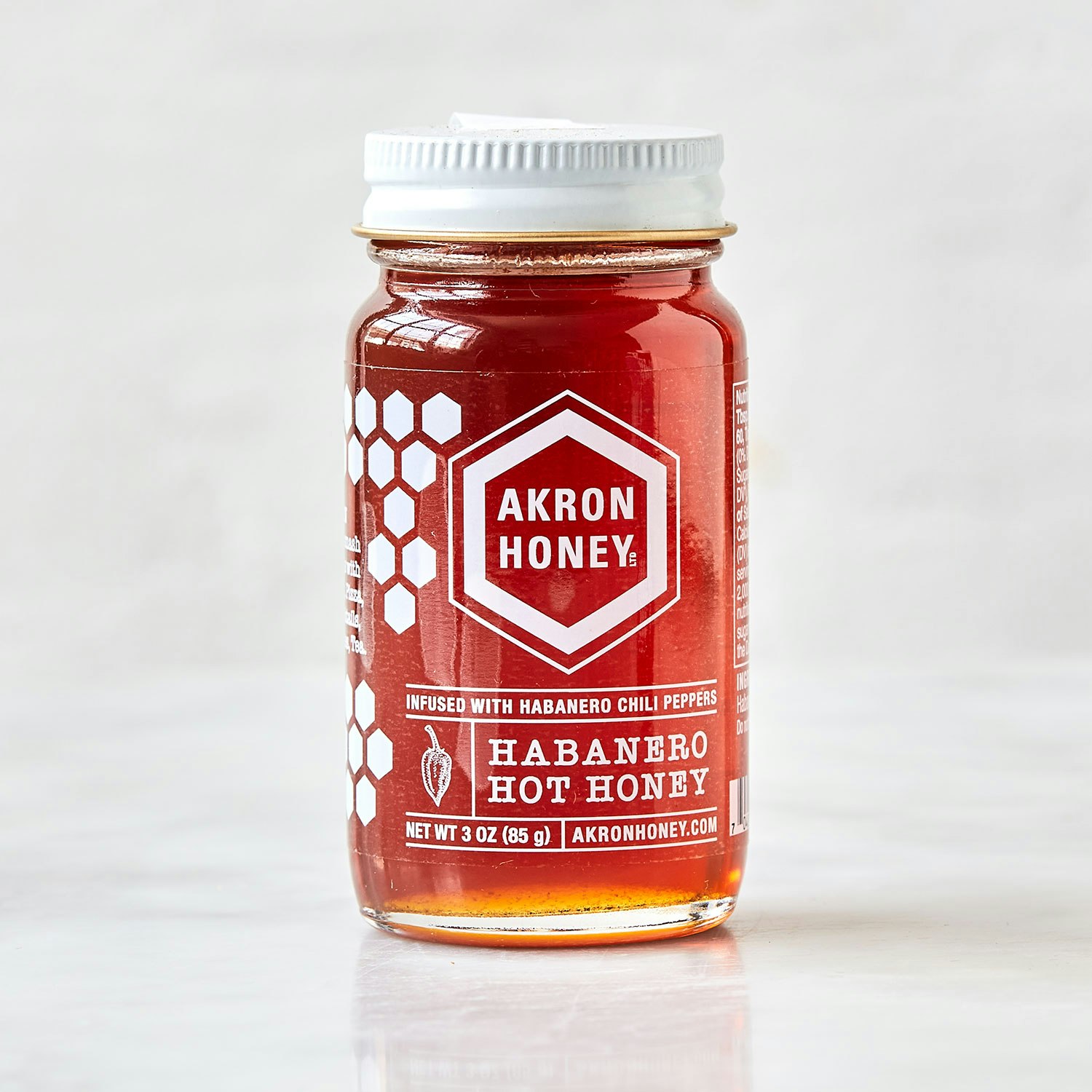
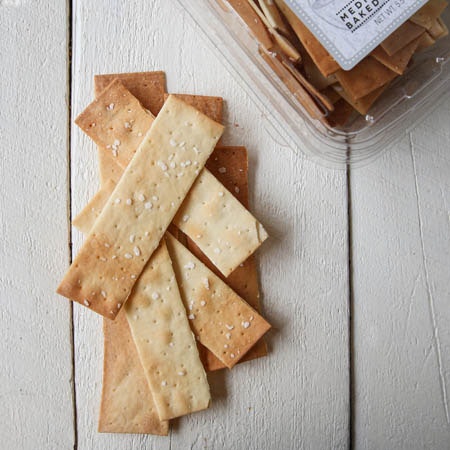
With its cloud-like interior bisected by a craggy line of smoky paprika, Piper’s Pyramide is a wonder of the cheese world. The wrinkled, paprika-speckled rind gives way to a gooey creamline and fluffy center, tasting of sweet cream, sea salt, and the mild meadow notes of good chèvre. A testament to the Schad family in Indiana, who hand-ladles goat’s milk curds for the best texture. Not spicy on its own, it does well with a drizzle of Akron Honey’s Habanero Honey atop a Firehook Sea Salt Cracker.
“Look at that center line of paprika. Craggy and irregular, like a mountain range. That’s a testament to the handmade, artisanal nature of Capriole’s cheeses and why I love them so much. A little chorizo will bring out the smoky paprika.”
- Piper’s Pyramide is named for the granddaughter of Judy Schad, the founder of Capriole, a testament to this family-run operation.
- Its shape is similar to the French goat’s milk classic Valençay. Legend has it Valençay got its unique shape after Napoleon demanded the pointed tops be removed after his military failings in Egypt.
- The curds are hand-ladled which contributes to the fluffy texture.
- While the cheese is being formed, a layer of smoked paprika is added to the center (and sprinkled on top). It adds a subtle smoky depth that works beautifully with the creaminess of the cheese.
- Goat’s milk has around the same fat content as cow’s milk, but because of a difference in fat structure, goat cheese often feels lighter on the palate.
The brainy, wrinkled texture of the rind, known as a geo rind, is formed by the yeast Geotrichum candidum.
The cheese ripens from the outside in. As the mold used to create its rind starts breaking down the proteins in the interior of the cheese, a gooey creamline develops under the rind.
- Capriole, founded by pioneering American cheesemaker Judy Schad, is known for award-winning, hand-ladled goat cheeses.
- Judy and her family moved to their 80-acre Indiana farm in 1976. The farm originally belonged to her husband's family in 1850.
- She and her family worked to restore the farm, and after a few years, she began making cheese for friends using excess goat’s milk from the animals on the land.
- In 1988, they built a commercial dairy and began making cheese full-time. By 1990, they had expanded their goat herd and built a creamery on the farm.
- In 2012, Capriole made the decision to sell their herd in order to devote more time to cheesemaking.
- Today, they source their milk from two local farms—one of which owns their former herd—allowing them to support local farms while ensuring a reliable supply of quality milk.
When you receive your cheese, unpack the order and refrigerate the items. We recommend using the cheese paper we send most of our products in to store the cheese. The cheese paper helps cover the items and stop them from drying out, while also allowing the cheese to breathe. Since cheese is mold, it's a living thing! If you cut off air circulation to the cheese, you can actually cause it to suffocate and spoil at a faster rate.